
The global digital media entertainment landscape has transformed, leading millions of household viewers to abandon legacy cable television in favor of modern streaming platforms. When transitioning to internet-based video feeds, consumers frequently encounter two dominant distribution models: iptv vs ott. While both deliver entertainment content over digital networks, their technical foundations, content libraries, pricing structures, and viewer control mechanics are completely different.
If you are deciding which technology best matches your streaming habits, this comprehensive iptv vs ott comparison breaks down key functional differences, network requirements, subscription costs, live sports capabilities, and long-term value for 2026.
What Is IPTV? (Internet Protocol Television)
Internet Protocol Television (IPTV) is a digital television broadcasting system where content is transmitted over a managed, packet-switched network infrastructure using internet protocol standards. Unlike open web feeds, IPTV architecture utilizes dedicated server routing, unicast/multicast pathways, and structured channel directory playlists.
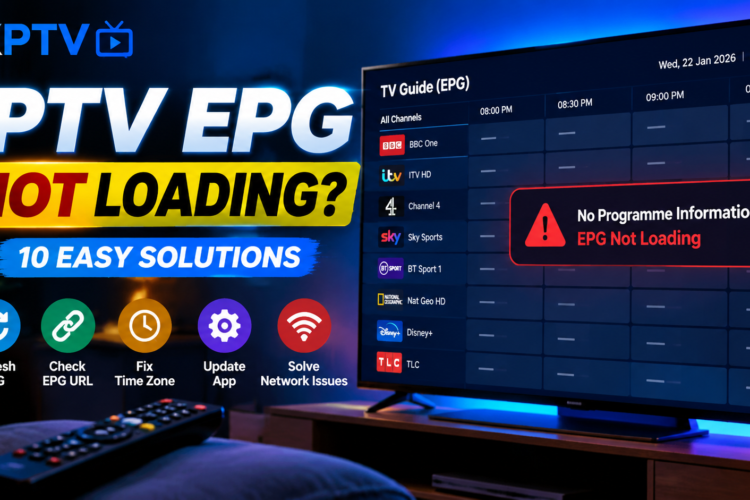
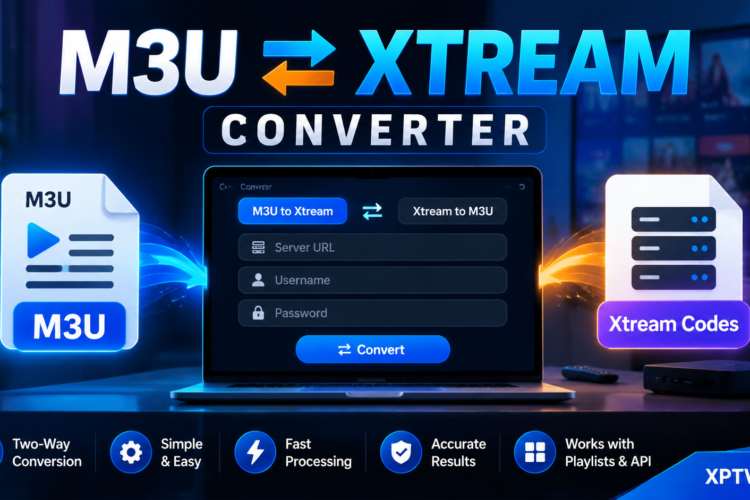
Users access their accounts through standard media players (such as IPTV Smarters Pro, XCIPTV, or TiviMate) by entering server URLs and credentials provided through Xtream Codes or M3U playlist feeds. This provides access to thousands of live international channels, continuous pay-per-view (PPV) broadcasts, and organized electronic program guides (EPG) that replicate traditional television with greater hardware flexibility.
What Is OTT? (Over-The-Top Media)
Over-The-Top (OTT) refers to any online streaming media content provided directly to viewers over the public, unmanaged internet without requiring an exclusive broadcast distribution network. Prominent global examples include subscription services like Netflix, Disney+, Amazon Prime Video, and regional sports applications.
OTT platforms host individual proprietary content behind centralized application storefronts. Viewers subscribe independently to each platform, access closed digital libraries on demand, and rely on standard dynamic web bitrates that adapt automatically to public internet fluctuations.
IPTV vs OTT: Head-to-Head Technical Comparison
To evaluate which entertainment model fits your viewing requirements, consider this side-by-side technical breakdown:
| Feature Metric | IPTV (Internet Protocol TV) | OTT (Over-The-Top Media) |
|---|---|---|
| Network Delivery | Dedicated private/semi-managed IP servers | Open, unmanaged public internet |
| Live Channel Variety | Massive (10,000+ international live channels) | Limited (primarily proprietary on-demand titles) |
| Live Sports & PPV | Comprehensive global sports and PPV access | Fragmented across expensive sports passes |
| Monthly Expense | Extremely economical single-tier pricing | Costly cumulative subscriptions per app |
| Hardware Playback | Universal media players on Firestick, Android, Smart TVs | Individual proprietary software downloads |
| EPG & TV Guide | Integrated real-time channel guide | Catalog browsing without traditional schedules |
Content Variety and Live Sports Streaming
One of the clearest differences in the iptv vs ott debate centers on live athletic competitions. Sports broadcasting rights have become heavily fractured across separate regional streaming applications. A single sports fan often must purchase four or five separate OTT subscriptions simply to follow an entire season of European football, Formula 1, cricket tournaments, and combat sports.
In contrast, a properly configured IPTV subscription unifies international sports broadcasts into an organized directory. Viewers enjoy access to localized commentary, stadium audio feeds, and multi-angle 60 FPS sports channels without hopping between multiple recurring subscriptions.
Cost Analysis: Single Feed vs Subscription Fatigue
The term “subscription fatigue” describes the rising costs and management headaches associated with juggling numerous media memberships. Individual OTT services charge rising monthly fees while introducing ad-supported tiers and password-sharing restrictions.
When analyzing iptv vs ott from an economic perspective, IPTV delivers immense consolidation value. A single account provides international live programming, movies, and TV series under one dashboard, eliminating overlapping monthly bills.
Bandwidth Optimization and Anti-Freeze Architecture
Both streaming technologies demand adequate home network performance to maintain crystal-clear 4K resolution. However, the transmission requirements differ:
- Adaptive Bitrate Delivery: OTT providers constantly scale down your display resolution to prevent stalls when public web traffic spikes, which often results in sudden blurry video.
- Dedicated Stream Routing: High-grade IPTV networks utilize anti-freeze balancing to maintain native 1080p and 4K bitrates without unexpected resolution drops during live broadcasts.
- Network Management: Connecting streaming hardware via a wired Ethernet cable or utilizing a privacy router with optimized routing via NordVPN prevents localized ISP bandwidth throttling across both architectures.
Frequently Asked Questions (FAQs)
Can I use both IPTV and OTT platforms on the same device?
Yes. Hardware devices like Amazon Fire TV sticks, Android boxes, Apple TV, and modern Smart TVs support standard OTT applications alongside third-party IPTV players on the same operating interface without system conflicts.
Which option requires faster internet connection speeds?
Both systems perform best on consistent broadband connections. For uncompressed 4K Ultra HD live broadcasts, maintain a minimum download speed of 25 to 50 Mbps per connected screen.
Is an external player application necessary for streaming?
OTT services require downloading individual branded software applications from app stores. IPTV utilizes standardized multi-format media players, such as TiviMate or XCIPTV, where your playlists sync seamlessly using your account credentials.
Conclusion: Which One Should You Choose?
Determining the winner in the iptv vs ott selection process depends entirely on what type of entertainment you consume. If your viewing consists solely of exclusive prestige mini-series and you prefer on-demand viewing, standard OTT platforms remain useful. However, if your household prioritizes live international events, uncompressed sports matches, flexible player customization, and major cost savings, IPTV represents the superior streaming platform for 2026.
Explore step-by-step player installation guides, playlist configurations, and hardware troubleshooting resources by visiting xptv.net.